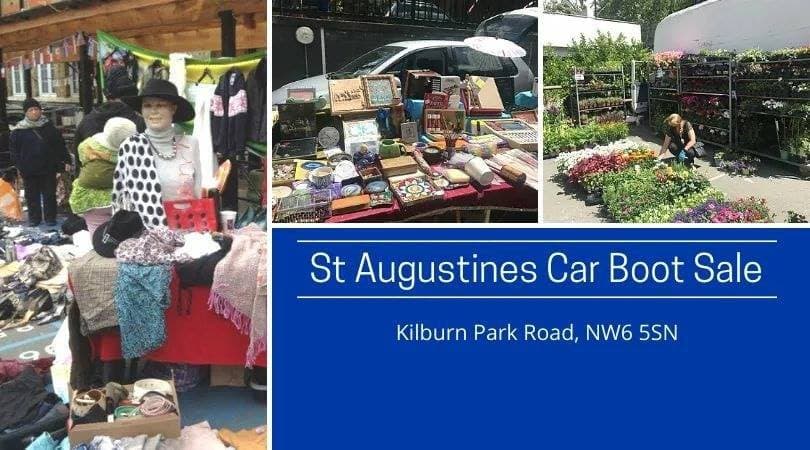
Not all car boot sales are the same. Some are well-organised, high-turnover events where you'll find real bargains. Others are two blokes with a table of DVDs and a broken kettle. If you want the best car boot sales in your area, you need to know what separates the good from the bad.
What Makes a Car Boot Sale "Good"?
Before you search, know what you're looking for. The best car boot sales share these traits:
Regular schedule. The top venues run every week — same day, same time, every season. A sale that appears sporadically or closes for half the year is a sign the organisers aren't committed. Weekly events build a loyal seller base, which means more stock and better variety. Look for venues that run March through October at minimum. Indoor car boot sales are a good option if you want something that runs through winter.
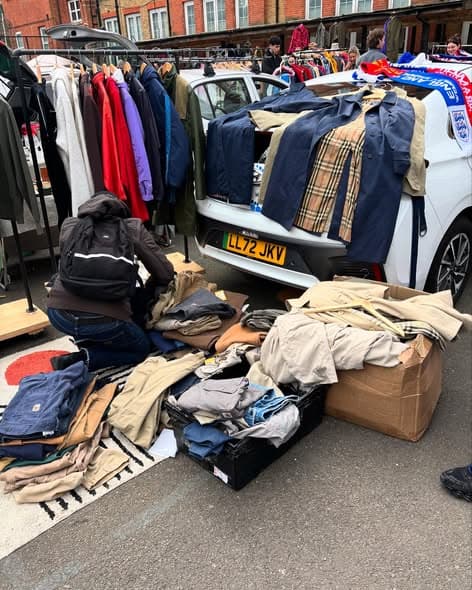
Plenty of sellers. A good car boot has 50+ sellers on a standard weekend. The giants — Elveden, Trowbridge, Rugby — regularly host 200+. More sellers means more competition, better prices, and a wider range of goods. If a sale has fewer than 20 sellers, you'll see the same stuff from every pitch: toys, clothes, the odd kettle. For the mega-venues, see our list of the biggest car boot sales in the UK.
Decent parking and access. You're driving there. If the car park is a muddy field with no markings and you queue 20 minutes to get out, it's a bad experience regardless of what's on the tables. The best venues have hardstanding, marked bays, and marshals on busy days.
Clean and safe. Toilets. A café or van. Clearly marked entrances and exits. Organisers walking the site. These sound basic, but you'd be surprised how many car boot sales skip them.
Good turnover. A great car boot has fresh stock every week. If you visit the same venue three weeks running and see the same sellers with the same items, that sale has a retention problem. The best ones attract new sellers every week. You want a venue where the stock changes, not one where the same set of sellers camp out in the same pitches.
How to Find the Best Car Boot Sales Near You
The easiest way to find quality car boot sales in your area is LocalBoot's near-me search. Every listing includes the venue's schedule, typical seller numbers, and what facilities are available. Filter by location, check the reviews, and browse what's running this weekend — no dead listings, no wasted journeys.
Other options worth checking:
- Facebook groups. Many local car boot groups post reviews and crowd-sourced ratings. Search for "[your area] car boot sales" and join the active groups. You'll often find real-time updates on cancellations, seller numbers, and what's worth the drive. This is particularly useful for finding Sunday car boot sales, which tend to be the busiest and best-organised.
- Car boot directories. Carboot Junction lists venues across the UK. Useful for discovery, but listings don't always get verified for freshness. A venue that was running five years ago might still be listed as active. LocalBoot's UK directory is kept up to date.
- Local notice boards. Village halls, community centres, and newsagents often post flyers for nearby sales. Old-school but surprisingly effective, especially for small village car boots that don't have an online presence.
Red Flags: When to Skip a Car Boot Sale
Some sales aren't worth your time. Walk away if you see any of these:
No schedule. The organiser says "we run when we can" or "check Facebook each week." Unreliable venues get unreliable sellers and unreliable stock. A good car boot has a fixed day — the first Sunday of every month, every Saturday from March, or similar.
Fewer than 10 sellers. Even on a quiet day, a good venue has 15–20. If you arrive and there are 6, drive to the next one. The stock will be thin, the prices will be higher (less competition), and you'll be done in ten minutes. Filter by seller count on LocalBoot listings to avoid this.
No facilities. No toilets, no café, no shelter. Fine for a morning in July. Miserable in April drizzle. The best venues treat facilities as a basic requirement, not a bonus.
Dirty site. Overflowing bins, broken glass on the ground, no marshals. If the venue doesn't care about the site, it doesn't care about the experience. You're paying entry and spending your morning there — it should be clean.
Same sellers every week. If you recognise every face from last month, the sale has no turnover. You'll see the same stock, the same prices, and the same arrangement of tables. A healthy car boot has 30–50% new sellers each week.
How to Check Venue Quality Before You Go
You shouldn't have to drive to a venue to find out it's not worth it. Here's what to check beforehand:
Check seller counts. LocalBoot shows typical seller numbers per venue. If a venue advertises 50+ sellers but the listing says 20, trust the listing. Numbers don't lie. Browse the directory and sort by seller count to find the busiest venues first.
Read recent reviews. Google Maps and Facebook groups are your best sources. Look for comments from within the last month about seller variety, organisation, and whether the venue was busy. One bad review is noise. Five bad reviews is a pattern.
Look for seasonal patterns. Some venues are strictly seasonal (April–September). Others run year-round with reduced hours in winter. Know the season before you drive. An October visit to a venue that closes in September will leave you staring at an empty field. If you want to know what's running today, check car boot sales near you today.
Call ahead for big travel. If you're driving more than 30 minutes, call the venue or check their social media that morning. Cancellations happen — weather, organisers' illness, unexpected events. A 2-minute phone call saves a wasted round trip. Browse what's running this weekend on LocalBoot for confirmed schedules.
Best Regions for Quality Car Boot Sales
Some parts of the UK are better than others for car boot quality. Based on venue density, average seller count, and season length:
| Region | Best Venues | Typical Sellers | Season |
|---|---|---|---|
| South East (London, Kent, Sussex) | Elveden, Ardingly, Detling | 100–400+ | Year-round |
| East of England (Norfolk, Suffolk, Cambs) | Newmarket, Wisbech, Peterborough | 80–200 | Mar–Oct |
| Midlands (Birmingham, Leicester, Notts) | Trowbridge, Rugby, Atherstone | 100–300+ | Mar–Nov |
| Yorkshire & Humber | York, Doncaster, Hull | 60–150 | Mar–Oct |
| North West (Manchester, Liverpool, Lancs) | Haydock, Ribby Hall, St Helens | 80–200 | Mar–Oct |
| Scotland | Edinburgh, Glasgow, Aberdeen | 40–100 | Apr–Sep |
| Wales | Cardiff, Newport, Swansea | 40–80 | Apr–Sep |
| South West (Bristol, Devon, Cornwall) | Exeter, Taunton, Plymouth | 50–120 | Mar–Oct |