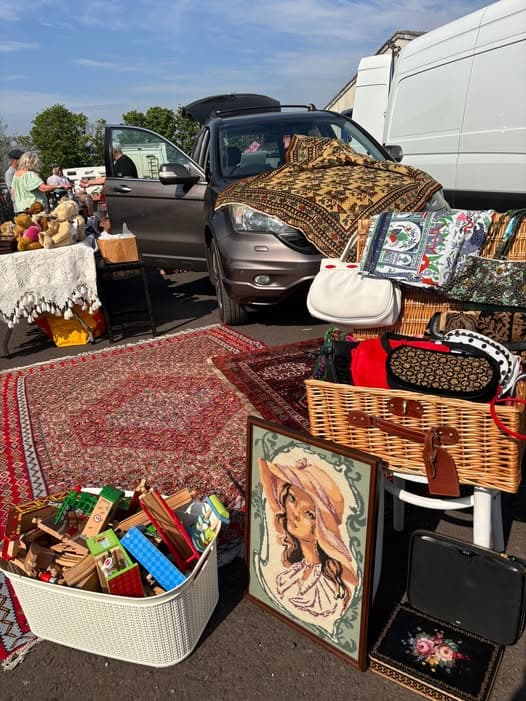
Car boot sale prices are not random. Every category has a going rate, and knowing what things actually sell for is the difference between clearing your table by 10am or taking most of it home. This guide uses real UK car boot pricing data from 2026 — what sellers charge, what buyers pay, and where the gap between asking price and selling price sits.
| Category | Typical asking price | What buyers actually pay | Best time to get a deal |
|---|---|---|---|
| Clothing (adult) | £1-5 per item | 50p-£3 | After 11am |
| Clothing (children) | 50p-£3 per item | 20p-£2 | Last hour |
| Electronics | £5-40 | £3-25 | Early morning (before dealers) |
| Furniture | £10-80 | £5-50 | Last hour (sellers don't want to reload) |
| Books | 50p-£2 | 20p-£1 | All day |
| Toys and games | £1-10 | 50p-£5 | After 11am |
| Tools | £2-30 | £1-15 | Early morning |
| Collectables | £5-100+ | £3-60+ | Early morning |
| Jewellery | £1-20 | 50p-£10 | Mid-morning |
| Kitchenware | £1-10 | 50p-£5 | All day |
| DVDs and media | 50p-£2 | 20p-£1 | Last hour |
| Bric-a-brac | 50p-£5 | 20p-£3 | All day |
What Clothing Actually Sells For at Car Boot Sales
Clothing is the most common category at UK car boot sales, and the prices are the lowest. Adult tops, shirts, and blouses sit at £1-3 on the table. Buyers expect to pay 50p-£2, and sellers who price at £1 per item sell more volume than those holding out for £3.
Branded clothing holds value. A Next or M&S dress marked at £5 sells more often than an unbranded one at £2. Designer labels — Ted Baker, Barbour, Ralph Lauren — can fetch £10-25 if the condition is good, but the buyer pool shrinks at that price. Most sellers price branded items at £5-10 and accept £3-7.
Children's clothing moves fast at 50p-£1 per item. Bundles work well — five babygros for £2 sells faster than 50p each. The car boot clothes prices guide goes deeper into pricing by brand, season, and condition.
Shoes are hit and miss. Trainers in clean condition sell at £3-8. Formal shoes struggle above £5 unless they are barely worn. Children's shoes at £1-2 sell reliably. Anything scuffed or worn past the point of polish is 50p or give-away.
Electronics: The Category Where Prices Vary Most
Electronics pricing follows a clear split. Working items with cables sell for real money. Untested items sell for near-nothing.
Games consoles dominate. A PlayStation 4 with controller and games fetches £40-80. Xbox One at £30-60. PlayStation 3 and Xbox 360 at £15-30 with games. Handhelds — Nintendo DS at £15-25, PSP at £10-20.
Mobile phones: an iPhone 11 in working condition sells at £80-120. Older phones — iPhone 7, Samsung Galaxy S8 — at £20-40. Anything that does not power on is £5-10 for parts.
Speakers and Bluetooth accessories sell at £3-15. Charging cables at 50p-£1 are impulse buys that add up across a morning.
Early-morning electronics buyers are often resellers. They offer 50-60% of asking price and walk if you do not budge. Our pricing strategy guide covers how to price electronics for maximum profit across a full season.
Furniture Prices at Car Boot Sales
Furniture is the hardest category to price because it is bulky, hard to transport, and buyers know the seller does not want to take it home. That dynamic drives prices down.
Flat-pack furniture in good condition — IKEA shelves, desks, small tables — sells at £10-30. Buyers pay more because it fits in a family car. Solid wood furniture — chests of drawers, side tables, chairs — sells at £15-50 depending on condition. Vintage or mid-century pieces can fetch £50-150 if the right buyer is there, but that buyer is not at every sale.
Upholstered items struggle. Sofas and armchairs sell for £10-50 regardless of original cost. The buyer has to figure out transport, and at a 7am car boot sale, most people are not prepared to strap a sofa to a roof rack.
The golden rule with furniture: price to sell in the first two hours. After 10am, furniture prices drop by half because sellers face the reality of loading it back into the van. Our guide to haggling at car boot sales covers the furniture buyer's playbook — and how sellers can counter it.
Toys, Games, and Collectables
Toys and games fall into two tiers: everyday toys that sell to parents, and collectable items that sell to enthusiasts.
Standard toys — action figures, dolls, building blocks, board games — sell at £1-5. Complete board games at £2-4 move quickly. Jigsaws at £1-2 are steady sellers. Soft toys struggle above £1 unless they are branded (Jellycat, Steiff) or visibly new.
LEGO is its own market. Complete sets with instructions sell at 30-50% of retail. Loose bricks by weight sell at £5-10 per kilogram. Star Wars and Harry Potter sets hold value best. Incomplete sets still sell but at £2-10 depending on what is missing.
Vintage toys — 1980s action figures, original Transformers, first-generation Pokémon cards — are the exception to car boot pricing. A seller who knows what they have can ask £20-100+ for a single item. A seller who does not know will price it at £2 and a collector will snap it up before 7:15am. If you are selling collectables, research before you load the car.
DVDs, CDs, and video games are bottom-dollar items. DVDs at 50p-£1, CDs at 50p, games at £1-5. Box sets of popular series (Game of Thrones, The Office) at £3-8. These are volume categories — price low, shift bulk.
Tools and DIY
Tools are one of the strongest categories. Buyers know they are getting a deal.
Hand tools — spanners, screwdrivers, hammers — sell at £1-5 each. Sets in cases fetch £5-15. Power tools — drills, sanders, jigsaws — at £10-30 if working. Brands matter: Makita and DeWalt hold value; own-brand tools sell for less.
Garden tools — spades, forks, shears — at £3-10. Lawnmowers at £15-40 if they start. The equipment checklist covers what gear you need for selling.
Kitchenware and Home Goods
Plates, mugs, and glasses sell at 20p-£1 each. Matching dinnerware at £5-15. Pyrex dishes at £1-3. Pots and pans at £2-8. Small appliances — kettles, toasters — at £3-10 if clean and working. Coffee machines at £10-30.
Vintage kitchenware — 1970s Pyrex, Hornsea pottery — crosses into collectable territory at £5-30 per piece. The general pricing guide at /blog/car-boot-sale-prices-uk-2026 covers the full spread of household categories.
Jewellery and Accessories
Jewellery at car boot sales is two markets. Fashion jewellery — costume necklaces, bangles, unbranded rings — sells at 50p-£3. Silver jewellery with hallmarks sells at £5-20. Gold is rare but fetches spot price when it appears.
Watches are the sleeper category. A working Sekonda or Accurist sells at £5-15. Designer watches — Michael Kors, Fossil — at £15-40. Vintage mechanical watches can fetch £50-150 to the right buyer but that buyer needs to be at the sale.
Handbags follow the brand pattern. High street (Next, M&S, Accessorise) at £3-10. Premium (Radley, Kipling) at £10-25. Designer (Mulberry, Coach) at £30-100+ if authentic — but authentication at a car boot is near-impossible.
Bric-a-Brac and the Everything-Else Table
Bric-a-brac is the catch-all category — ornaments, picture frames, vases, candle holders, and the thousand small things that fill a house. Price it at 50p-£3 and it sells. Price it higher and it sits.
The exception is anything recognisably vintage or collectable. A 1960s vase with a maker's mark sells at £5-20. A retro telephone at £10-30. A first-edition book at whatever the buyer is willing to pay — and that buyer might be at your table or might not.
The secret to bric-a-brac: display it well. Items spread across a tablecloth sell. Items in a box on the floor do not. A folding table with a cover makes the difference.
How Buyers Think About Price
Car boot buyers fall into three camps that shape how you should price.
Bargain hunters (60% of buyers): They expect everything to be cheap. They will pick up an item, ask the price, and put it down if it exceeds their mental ceiling — which is usually £1-5 for most categories. Price at £2 or less and these buyers buy without hesitation.
Dealers and resellers (20%): They know market value better than most sellers. They buy to resell online or at their own stall. Their offer price leaves room for their margin. Dealers buy in volume — a £20 spend on five items beats a £15 spend on one. Bundle pricing works well with this group.
Casual browsers (20%): They are not on a mission. They buy what catches their eye at a price that feels reasonable. They will pay £5-10 for something they like without haggling. Good display and clear pricing bring these buyers to your table.
Regional Price Differences
Car boot prices are not uniform. The South East commands the highest prices — London car boot sales sit at the top, with electronics and branded clothing fetching 20-30% more than the UK average. The Midlands and North are the value heartland: a £1 clothing rail in Birmingham sells faster than a £2 one.
Venue type also affects pricing. Large Sunday sales with 300+ pitches are buyer's markets. Smaller midweek sales let sellers hold firmer on price. The Saturday vs Sunday guide covers how the day changes pricing dynamics.
Frequently Asked Questions
What is the average price of items at a UK car boot sale?
Most items sell for £1-5. Clothing, books, DVDs, and bric-a-brac cluster at £1-3. Electronics, tools, and furniture sit higher at £5-30. The overall average transaction is around £2-3 per item.
Do car boot sellers price items or leave them unmarked?
Most experienced sellers price everything. Unpriced items create friction — buyers have to ask, sellers have to think, and the moment of impulse is lost. A sticker or small label with the price keeps the flow going. Some sellers use coloured dot stickers with different colours for different prices.
How much should I charge for branded clothing at a car boot sale?
High street brands (Next, M&S, River Island) sell at £2-5 per item. Premium high street (Whistles, Reiss) at £5-10. Designer labels at £10-25 if in excellent condition. Pricing at 10-20% of the original RRP is a good starting point.
Do prices drop at the end of a car boot sale?
Yes. The last hour (11am-12pm Sunday, 10am-11am Saturday) is when sellers slash prices. Clothing drops to 50p-£1, furniture drops by half. If you want bargains, arrive late. If you want selection, arrive early.
What items sell for the most at car boot sales?
Electronics, branded tools, vintage collectables, gold and silver jewellery, and designer handbags. These are the categories where individual items sell for £20-100+. The trade-off: these items attract the most scrutiny from buyers and dealers.
Should I price higher and expect to haggle, or price at my bottom line?
Most sellers price 20-30% above their bottom line. This gives the buyer a deal while protecting your minimum. Mark at £5, accept £3-4, and both sides feel good. Our selling tips guide covers pricing within the wider rules of UK boot fair trading. For negotiation strategy, see the haggling guide.
Final Thoughts
Car boot pricing rewards sellers who know their market. Price clothing at £1-3, electronics at 40-60% of eBay sold prices, and furniture to clear. Price everything clearly, leave room to negotiate, and adjust downward in the last hour. The sellers who clear their table are the ones who treat pricing as a tool, not a guess.
Find car boot sales near you on LocalBoot — search by area, day, and venue rating to find the best pitch for your stock and pricing strategy.