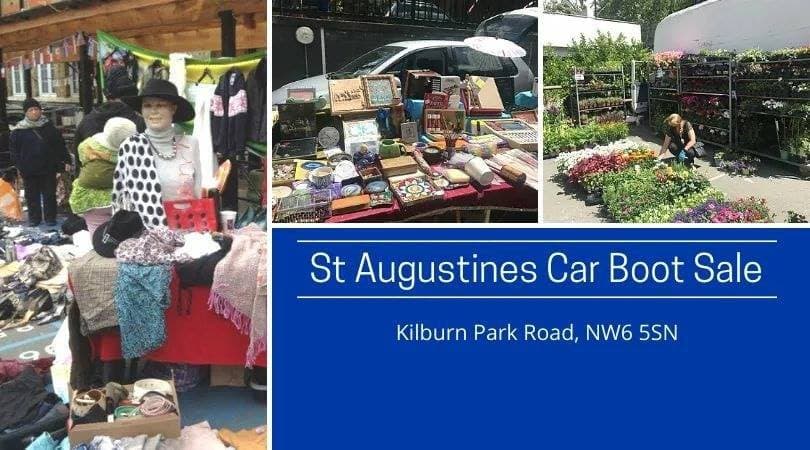
Sunday is the biggest day for car boot sales in the UK. More venues open on Sunday than any other day of the week, and the evidence is in the numbers: "sunday boot sale" averages 8,100 UK searches per month — that's more than every other car boot keyword combined.
This guide covers why Sunday dominates, which venues to prioritise, what you'll find at each type of sale, when to arrive for the best pickings, regional highlights across England, Scotland, and Wales, and how to use LocalBoot to find your nearest Sunday boot sale before you set your alarm.
Why Sunday Is the Day for UK Car Boot Sales
Three things make Sunday the default day for UK car boot sales:
- Sellers have time to set up. Saturday night-to-Sunday-morning gives sellers a full day to sort, price, and load. Most boot fair traders spend Saturday afternoon prepping their tables and loading the car.
- Buyers are free. The classic boot sale buyer is off work, has time to browse, and doesn't want to rush. Sunday mornings are a social ritual as much as a shopping trip.
- Venue availability. School fields, pub car parks, and council-owned land that are booked out on Saturday are often free on Sunday — the commercial week doesn't compete for that land.
The result is that Sunday accounts for roughly 60–70% of all car boot venues in the UK. You can find a Sunday boot sale within 20 miles of almost anywhere in England, Scotland, or Wales during the summer season. The volume of venues means Sunday is also where the most competitive deals happen — sellers price more competitively because they know buyers have options.
What Types of Sunday Car Boot Sales Run in the UK
Not all Sunday car boot sales are the same. The model, pricing, and crowd vary significantly between them, and picking the right type for your goal matters:
| Type | Seller Fee | Buyer Entry | Typical Size | Best For |
|---|---|---|---|---|
| Field boot fair | £8–£15 | Free–£1 | 100–400 pitches | Dealers, collectors, variety |
| School/car park boot | £5–£10 | Free | 20–80 pitches | Local sellers, casual clear-outs |
| Charity boot sale | £5–£10 | Free | 30–100 pitches | Bargains, donations |
| Pop-up boot market | £10–£20 | £1–£2 | 50–200 pitches | Structured, traders with better stock |
Field boot fairs are the most popular and the most worthwhile. The Sussex Boot Sale at Poynings, the Doncaster Car Boot & Sunday Market, and the Countryside Promotions events across Hertfordshire, Essex, and North London are examples of the larger end. These venues attract professional traders who know their stock, but also family sellers doing a one-off clear-out — the mix is genuinely unpredictable, which is part of the appeal.
School and car park boot sales are smaller and more neighbourhood-focused. They're typically run by the PTA, a local charity, or a pub landlord. The crowd is local, the prices are lower, and the stock skews toward household items rather than specialist collectables. These are the best Sunday boot sales for families — less overwhelming than a large field fair, and the kids can easily walk between pitches.
Charity boot sales charge sellers a pitch fee (typically £5–£10) with proceeds going to a named charity. Buyer entry is usually free. The stock quality is mixed — you're as likely to find a box of old tea towels as you are a vintage record — but the prices reflect the charity context and there's a social element that the larger field fairs lack.
When to Arrive at a Sunday Car Boot Sale
Timing matters more at a Sunday boot sale than any other day, because the best stock goes first. Here's the honest breakdown:
| Arrival Time | Pros | Cons | Best For |
|---|---|---|---|
| 6:00–7:00 am | First pick of the day's stock | Dark, cold, sellers still setting up | Dealers, collectors, early birds |
| 7:30–8:30 am | Good stock, sellers ready, light | Some items already gone | Serious buyers |
| 9:00–10:00 am | Full selection, sun up, easy parking | Fewer deals available, prices less negotiable | Casual browsers, families |
| 10:30 am+ | Deep discounts as sellers pack down | Limited stock, hot sun | Bargain hunters, late starters |
The 7:30–8:30 window is the sweet spot for most buyers. The field is fully open, sellers have priced their stock, and you're ahead of the weekend family crowd without having to set your alarm for 6 am. If you're specifically after vinyl, tools, or antiques, arrive earlier — those sellers know what they have and the best pieces go within the first hour. Our guide to the best arrival time goes deeper on this.
What You'll Find at Sunday Car Boot Sales
Sunday car boot sales attract three broad types of seller, and understanding each helps you navigate the field:
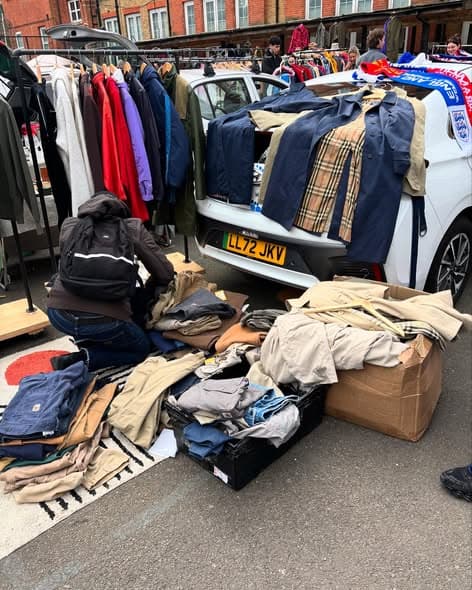
Casual clear-out sellers are doing exactly what the name suggests — selling the accumulated clutter of a house move, a wardrobe sort, or a child's bedroom clear-out. They price with sentiment rather than market value, which means the pricing is inconsistent. A box of old National Geographic magazines might be £5 from one seller and 50p from another. The buyer's job is to understand what things are worth before you start negotiating.
Regular traders are the professionals who do 10–20 sales per year. They have branded tables, organised stock by category, and display items in a way that invites browsing rather than rummaging. They know what things are worth. You can negotiate, but not as aggressively as with a casual seller — their opening price is closer to the floor than the ceiling.
Specialist collectors are the ones who make a Sunday boot fair worth the early alarm. Vinyl in the £5–£50 range, working tools from workshop clearances, military memorabilia, vintage toys in original packaging, stamps and coins — these sellers appear most reliably at the larger field boot fairs and tend to set up near each other, creating informal specialist corners.
What you won't reliably find: anything perishable, large furniture, or items that require a test drive or installation. The ceiling is a washing machine, the floor is a bag of mixed USB cables. That's the range.
Sunday vs Saturday Car Boot Sales: What's the Difference
Saturday is growing as a car boot day, particularly in Scotland and the North of England, but Sunday still holds the advantage in most of the UK. Here's how they compare:
| Sunday | Saturday | |
|---|---|---|
| UK venue count | Higher — dominant day | Growing but fewer venues |
| Average crowd size | Larger | Moderate |
| Price negotiating | Easier early; firm late | Easier to negotiate all day |
| Seller quality | Full mix: casual + professional | More regular traders than casual sellers |
| Best for buyers | Variety, early birds, bargains | Less crowded, easier parking |
| Scotland | Many venues, strong tradition | Saturday popular in Glasgow, Edinburgh areas |
Saturday is worth checking if you live in Scotland — the tradition is different there, with Saturday equally competitive with Sunday in the Central Belt. Across England and Wales, Sunday is still the primary day and the one where you'll find the most choice. For a full breakdown, see our Saturday vs Sunday guide.
Top Sunday Car Boot Sale Venues by Region
This is where a Sunday boot sale guide earns its keep. Rather than listing every venue (LocalBoot does that better, with verified opening times and directions), here's a guide to the types of Sunday boot fair worth seeking out by region.
London and the South East
London has fewer large-scale Sunday boot fairs than other regions — venue costs are high and space is tight. The best options are typically in Greater London and within a 30-minute drive of the M25. Countryside Promotions runs events across Hertfordshire and Essex that draw London buyers north. Within the M25, check LocalBoot for updated Sunday listings — many school car boot sales in outer London boroughs run on Sunday mornings from April to September.
The South West and South Coast
The South West has a strong Sunday car boot tradition, partly because the visitor economy supports it. The Sussex Boot Sale (Poynings, near Brighton) is one of the best-known in the region — large pitches, good signage, and a mix of professional traders and casual sellers that keeps the stock varied. Check LocalBoot for current opening dates, as the Sussex venue operates on specific Sundays through the season.
The Midlands
The Midlands is well-served on Sundays, with events ranging from small village hall sales to the larger boot fair circuits. The North Lincolnshire area around Doncaster has the Club Doncaster Car Boot & Sunday Market, which combines a traditional car boot with a Sunday market. In Birmingham and the Black Country, smaller school car park sales run most Sundays from spring through autumn.
The North of England
Northern England has a growing Saturday culture alongside Sunday, but Sunday still dominates. The key distinction in the North is that some venues alternate between Saturday and Sunday to manage traffic and parking demand. Check the specific listing on LocalBoot rather than assuming — the day can vary by week.
Scotland
Scotland's Sunday car boot culture is different from England's in one important way: Sunday trading restrictions historically limited commercial boot fair activity. Many Scottish boot sales run on Saturday as the primary day. That said, Sunday events exist, particularly in the Central Belt, and the Scottish tradition of car boot sales in village halls and community centres means indoor winter boot sales are more established north of the border than in England. Our Scotland guide covers this in detail.
How Much Does a Sunday Car Boot Pitch Cost
Pitch fees at Sunday car boot sales in the UK typically range from £5 to £20, depending on venue type and location:
- School field or car park: £5–£10 per car boot
- Large field boot fair: £8–£15 per car boot
- Commercial or council-run venue: £10–£20
Buyer entry is usually free. Where a buyer entry fee is charged (typically £1–£2 at larger commercial boot fairs), it goes toward venue costs or charity donations. The fee is almost always per car boot rather than per seller — if you're selling from a van or a trailer, check with the organiser in advance, as some venues charge a supplement for larger vehicles. Our full pitch cost breakdown covers regional variation in detail.
How to Find Sunday Car Boot Sales Near You
Skip the Facebook groups and expired Google Maps results. LocalBoot lists confirmed Sunday car boot sales across the UK with opening times, entry fees, pitch prices, and directions — updated by venue managers, not scraped from three-year-old forum posts.
- Search by your location. Enter your postcode on LocalBoot and filter by Sunday — the directory surfaces the nearest confirmed sales, ranked by distance.
- Check this weekend. Use the this weekend guide to plan before you drive anywhere.
- Set up alerts. New Sunday sales are added weekly during the season. If there's no Sunday boot sale near you yet, add it to LocalBoot — listing is free and takes two minutes.
Top Tips for Sunday Boot Sale Buyers
These apply to every Sunday visit, regardless of venue type or region:
- Bring small change. £1 and £2 coins and £5 notes make transactions faster. Some sellers won't break a £20 early in the morning, particularly at field boot fairs with hundreds of sellers.
- Take a folding bag or box. You'll accumulate more than you expect. A reusable bag collapses flat and doesn't count as luggage.
- Inspect before you buy. Car boot sales are not covered by consumer rights the way a shop is. Check electrical items work, clothes are clean, and collectibles are genuine before handing over money.
- Arrive with a shortlist. If you're after something specific — a particular tool, a record, a piece of furniture — know what you're looking for before you go. The sheer variety is a distraction.
- Don't be shy about the offer. Half the asking price is a reasonable opening offer on most items. The seller will counter or refuse — both are fine, and both happen regularly.
Frequently Asked Questions
Do car boot sales run on Sundays all year round?
Most UK car boot sales run from April through September. The summer season is the peak — longer daylight hours, better weather, and school holidays mean more buyers and more sellers. Winter boot sales exist — typically in indoor venues, village halls, or covered markets — but the volume drops significantly from October to March. Some field venues run through the winter on specific Sundays but close during December and January. Our winter venue guide has the full picture, and LocalBoot's upcoming sales page shows all confirmed events by date and location.
Can I sell at a Sunday car boot sale without a pitch fee?
Some charity boot sales offer free pitches in exchange for a percentage of sales or a donated item to the charity. These are the exception, not the rule. Most commercial and community-run Sunday car boot sales charge a pitch fee regardless of what's being sold. The fee is typically £5–£15 per car boot and is non-negotiable on the day.
What can you legally sell at a UK car boot sale?
UK law restricts the sale of certain items at car boot sales: counterfeit goods, fireworks, knives, offensive weapons, age-restricted items without age verification, and stolen property. Most individual sellers are covered by the £1,000 annual trading allowance, above which self-assessment registration with HMRC is required. Our rules guide covers this in full, including the distinction between a casual seller and a trader.
Are Sunday car boot sales busy?
Yes — Sunday car boot sales are typically the busiest day of the week. The largest field boot fairs can draw 500–1,000 visitors by 9 am. Arriving early (before 8:00) or later (after 11:00) are the strategies for avoiding the peak crowd. Between 9:00 and 10:30 is peak footfall at most venues.
What's the best way to sell at a Sunday car boot sale?
For sellers: arrive before 6:30 am to claim a good pitch position near the entrance (high-traffic zones near the gate and refreshments get the most footfall), price everything before you go, bring a table rather than selling from the boot, and start firm — you can always drop prices as the morning wears on. Our selling tips guide covers pricing and display tactics in more detail.
Find a Sunday Boot Sale Near You
Search LocalBoot for confirmed Sunday car boot sales in your area. Every listing includes opening times, pitch price, buyer entry fee, and directions — no expired events, no guesswork. And if your nearest Sunday boot sale isn't listed yet, add it to LocalBoot for free — listings take two minutes and are approved the same day.
The LocalBoot directory is the fastest way to find a Sunday car boot near you — search by your postcode and filter by Sunday to see only confirmed sales that are running.