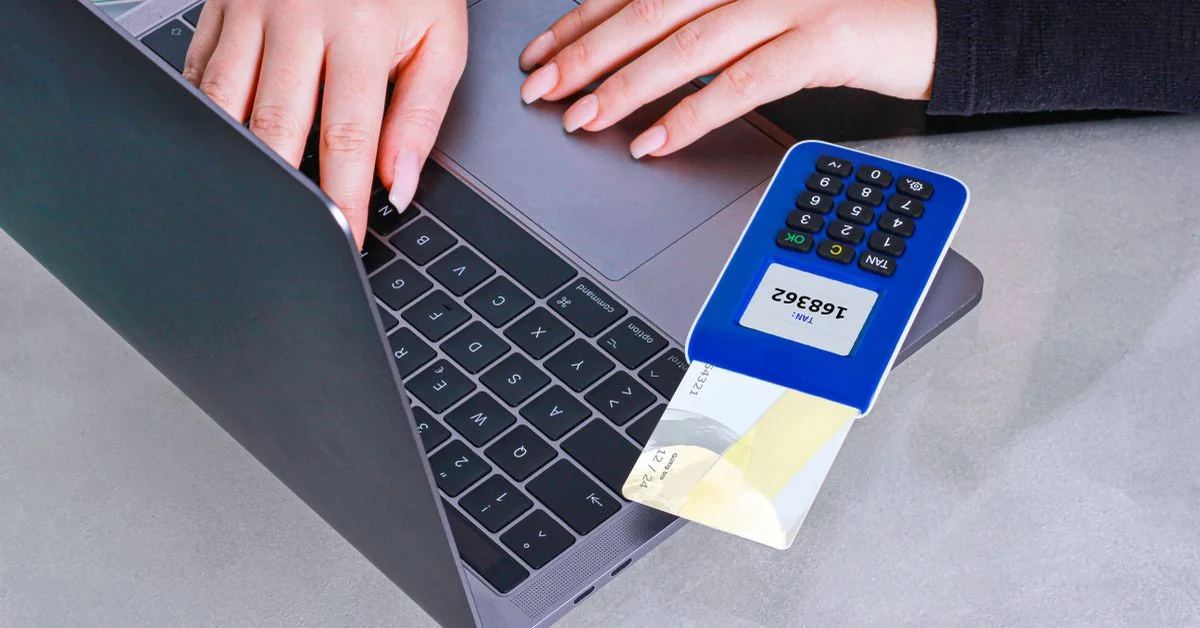
Cash-only sellers at car boot sales lose an estimated 20-40% of potential sales because buyers simply do not carry enough cash. A card reader costs £19-29 upfront, charges 1.49-1.75% per transaction, and pays for itself on the first sale day. But which reader works best at a field-based boot sale with patchy signal and no power outlet? The table below compares the four main options UK sellers use.
| Feature | sumup Air | zettle by PayPal | Revolut Reader | Tide Reader |
|---|---|---|---|---|
| Upfront cost | £19-29 | £29 | £29 | £29 (free with Tide account) |
| Transaction fee | 1.69% | 1.75% | 1.5% + 2p | 1.5% |
| Monthly fee | £0 | £0 | £0 | £0 |
| Offline mode | Yes (up to 200 transactions) | Yes (up to 200 transactions) | Yes (limited) | No |
| Battery life | 8-10 hours | 8-10 hours | 6-8 hours | 8 hours |
| Settlement speed | Next day (instant for 1.75%) | Next day (1-3 days to PayPal) | Same day to Revolut | Next day to Tide |
| Best for | Most boot sellers | PayPal users | Revolut users, fast settlement | Tide business customers |
sumup Air: Best All-Round card reader for Car Boot Sales
sumup Air is the most popular card reader among UK car boot sellers, and the reasons are straightforward. No contract, no monthly fee, and the 1.69% transaction rate is among the lowest available.
Why it works at car boot sales: Offline mode is the killer feature. When your pitch is in a field with no mobile signal, sumup stores up to 200 transactions on the reader and processes them when you reconnect. You keep selling without interruption — the buyer taps, the reader beeps, and the payment clears later. This matters more at boot sales than almost any other selling environment.
Battery life: 8-10 hours of active use. A full charge easily covers a 6-hour sale day with plenty of headroom. Charges via USB-C.
Setup: Download the sumup app, create an account with your email and bank details, pair the reader via Bluetooth, and you are ready. No credit check, no merchant account, no paperwork. The how to take card payments guide walks through the full setup process.
The trade-off: Customer support is app-only — no phone line. If something goes wrong mid-sale, you troubleshoot through the app. In practice, sumup users rarely report issues once the reader is paired correctly.
Best for: Most car boot sellers who sell 2-4 times per month at various venues, including fields with poor signal. The car boot selling tips guide covers how card acceptance fits into your overall selling strategy.
zettle by PayPal: Best for PayPal Users
Zettle (formerly iZettle, now fully under the PayPal brand) is sumup's closest competitor. The reader costs £29 with a 1.75% transaction fee. The hardware and app experience are similar, but Zettle's integration with PayPal sets it apart.
Why it works at car boot sales: Same offline mode capability as sumup — stores transactions locally and processes when signal returns. The reader supports contactless, chip-and-pin, and Apple Pay/Google Pay. The Zettle app includes inventory tracking, which is useful if you sell the same stock types regularly.
PayPal integration: Funds settle directly into your PayPal account rather than your bank account. If you already sell on eBay or run online sales through PayPal, this keeps all your takings in one place. Standard transfers take 1-3 working days — slower than sumup's next-day bank settlement.
Battery life: 8-10 hours, matching sumup. The Zettle Reader 2 charges via USB-C and holds charge well between uses.
The trade-off: The 1.75% fee is higher than sumup's 1.69%. PayPal instant transfer costs an additional 1.75% on top. If settlement speed and lowest fees are your priority, sumup edges ahead.
Best for: Sellers who already use PayPal for online sales and want all income in one place. The best items to sell at car boot sales guide covers stock that sells well both online and at boot sales — ideal for PayPal-integrated sellers.
Revolut Reader: Best for Fast Settlement
Revolut Reader is the newcomer in the card reader market, launched to complement Revolut's existing business banking products. At 1.5% plus 2p per transaction, it offers the lowest headline fee of the four.
Why it works at car boot sales: The standout feature is settlement speed. Transactions settle to your Revolut account the same day, sometimes within minutes. If you rely on quick access to your takings — to buy stock for the next sale or cover pitch fees — this is a genuine advantage. The reader is compact and connects via Bluetooth like the others.
Battery life: 6-8 hours, which is adequate for most car boot sales but gives less headroom than sumup or Zettle. Charge it overnight before every sale day, and consider a power bank for longer events.
Offline mode: Revolut Reader offers limited offline support. It can store some transactions when signal drops, but the feature is less mature than sumup or Zettle. At field-based venues with consistently poor signal, this is a risk.
The trade-off: You need a Revolut Business account to use the reader. If you already bank with Revolut for business, the integration is seamless. If you do not, opening a new account adds an extra step versus sumup or Zettle's instant sign-up. The car boot equipment checklist covers what else you need alongside your payment setup.
Best for: Sellers who already use Revolut Business and want the fastest possible settlement. Less suited to field-based venues with poor signal.
Tide Reader: Best for Tide Business Customers
Tide Reader is Tide's entry into card payments, designed for Tide business account holders. The reader is free with a Tide account, and the 1.5% transaction fee matches Revolut for the lowest rate among the four.
Why it works at car boot sales: The fee is attractive — 1.5% flat with no per-transaction surcharge. For sellers doing higher volumes, the saving versus sumup (1.69%) or Zettle (1.75%) adds up over a season. The reader pairs via Bluetooth and the Tide app handles the payment flow.
Battery life: Around 8 hours, similar to SumUp and Zettle. Adequate for a full sale day.
Offline mode: Tide Reader does not currently offer offline transaction storage. Every payment requires an active mobile data connection. This is the biggest limitation for car boot sellers — if your venue has weak signal, transactions fail. At urban venues with good 4G, this is not an issue. At rural field-based sales, it is a dealbreaker.
The trade-off: Tide Reader only works with a Tide business account, and the lack of offline mode rules it out for many outdoor venues. If you sell at indoor or urban venues with reliable signal and already use Tide for business banking, it is a good choice.
Best for: Tide business customers selling at indoor markets or urban venues with strong mobile signal. The car boot rules UK guide covers venue types and what to expect at different locations.
Which card reader Should You Choose?
| Your situation | Best choice | Why |
|---|---|---|
| Most car boot sellers, mixed venues | SumUp Air | Offline mode, 1.69% fee, reliable |
| PayPal seller, online and boot sales | Zettle by PayPal | PayPal integration, same offline mode |
| Revolut Business user, need fast settlement | Revolut Reader | Same-day settlement, lowest fee |
| Tide Business user, urban/indoor venues | Tide Reader | Free reader, 1.5% fee |
| High volume, reliable signal venue | Revolut or Tide | Lowest fees at 1.5% |
| Field-based, poor signal venue | SumUp or Zettle | Only reliable offline modes |
Practical Tips for Using a card reader at a Car Boot Sale
Charge everything the night before. The reader, your phone, and a backup power bank. A dead reader at 11am costs you sales for the rest of the day.
Display a card payments sign. A simple A4 printout saying "Card Payments Accepted" increases card sales by roughly 30%. Buyers who see the sign ask about card when they might otherwise assume cash only.
Test at the venue before gates open. Arrive 20 minutes early, pair the reader, and run a 1p test transaction. If the signal is weak, switch to offline mode before customers arrive — do not wait for the first failed payment.
Price items in round pounds. Card payments are smoother when the amount is £5 rather than £4.75. Slightly rounding prices up or down reduces keying errors and speeds up each transaction.
Keep the reader visible on your table. Buyers who see the reader are more likely to browse higher-value items, knowing they can pay by card.
The how to sell at car boot sales guide covers full pitch setup including payment display strategies. The car boot equipment stores guide lists where to buy card readers, power banks, and other payment kit.
Final Thoughts
The best card reader for car boot sales is SumUp Air for most sellers. It combines the lowest upfront cost, offline mode that works at every venue regardless of signal, and a 1.69% fee that beats most competitors. Zettle matches it on features and adds PayPal integration. Revolut Reader offers the lowest fee and fastest settlement but needs a Revolut account and has weaker offline support. Tide Reader is a solid choice for Tide business customers selling at venues with good signal.
Whatever reader you choose, buy it before your next sale, set it up at home, and test it at the venue before the public arrives. The £19-29 you spend on the reader will be recovered within your first few card sales — and the 20-40% sales uplift from accepting cards continues every sale day after that.
Find car boot sales near you on LocalBoot — search verified UK venues by postcode, town, or city. Every listing includes seller information so you know the venue setup and whether signal is reliable before you go.


