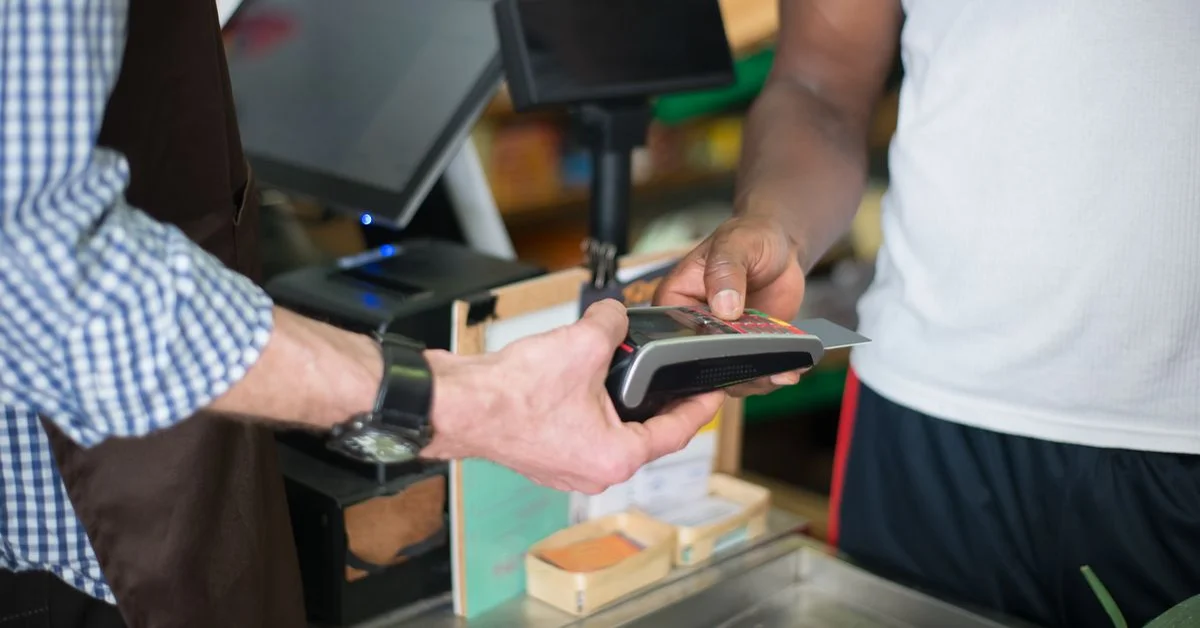
Cash has been the only currency at car boot sales for decades. But that is changing. Buyers under 40 rarely carry cash, and more sellers are finding that accepting card payments increases their sales by 20-40%. This guide covers how to take card payments at a car boot sale in the UK — the hardware, fees, connectivity, and practical tips.
Do You Need to Accept Card Payments?
Technically, no. But the numbers make a strong case:
| Without card payments | With card payments |
|---|---|
| 60-70% of potential buyers have cash | 90-100% of potential buyers can buy |
| lose sales on items over £5 | Capture every buyer regardless |
| Cash-only returns from COVID habits are fading | Younger buyers expect card option |
| No fees | 1-2% transaction fee |
A seller with £150 in cash sales typically adds £30-60 in card sales on the same stock. The increase comes from buyers who want an item but do not have enough cash, and from impulse purchases on higher-value items that buyers would not pay cash for.
Best card readers for UK Car Boot Sales
| Reader | Transaction fee | Monthly fee | Connectivity | Best for |
|---|---|---|---|---|
| sumup Air | 1.69% | None | Bluetooth + phone | Most sellers |
| iZettle Reader | 1.75% | None | Bluetooth + phone | Occasional sellers |
| zettle by PayPal | 1.75% | None | Bluetooth + phone | PayPal users |
| Square Reader | 1.75% | None | Audio jack/Bluetooth | Basic setups |
| Dojo Pocket | 1.49% | None | Bluetooth + phone | High-volume sellers |
sumup is the most popular choice for UK car boot sellers. No monthly fee, no contract, and the reader costs £19-29 one-time. The 1.69% transaction fee is competitive, and the app works on both iPhone and Android.
For sellers who also use PayPal, zettle by PayPal integrates directly with your PayPal account so funds settle there rather than to a separate account.
Connectivity: How to Get Signal at a Boot Sale
The biggest challenge with card payments at car boot sales is connectivity. Many venues are in fields, parks, and car parks with poor mobile reception. A card reader that cannot connect to the internet is useless. See the selling tips guide for advice on picking venues with better infrastructure.
Solutions ranked by reliability:
- Offline mode — Some readers (sumup, Zettle) store transactions and process them when signal returns. This is the best option. The buyer gets a receipt when the card is presented, and the payment clears later.
- Mobile hotspot — Use your phone's 4G/5G as a hotspot. Works at most venues but drains battery. Bring a power bank.
- Portable WiFi — A dedicated 4G/5G hotspot unit. Overkill for occasional sellers but reliable for regulars.
- Vendor WiFi — A few large venues now offer seller WiFi. Check with the organiser before assuming it is available.
Before you commit to a reader, test it at your venue. Visit with your phone on your chosen network and run a speed test. If you cannot get a reliable signal, an offline-capable reader is essential.
Practical Setup for a Car Boot Sale
Before the sale:
- Charge the reader and your phone fully
- Download the app and log in at home (do not rely on venue WiFi)
- Test a small transaction at home to confirm everything works
- Print a sign saying "Card Payments Accepted Here" — a simple A4 sign increases card sales by 30%
- Check good things to sell to target your table setup toward card-wielding buyers
At the sale:
- Keep the reader on your table, not in your pocket. Buyers who see it are more likely to ask
- Have a backup plan for poor signal. Know how to use offline mode before you arrive
- Display prices with "card" in small writing — "£5 / card ok" signals acceptance
- Target Sunday boot sales where buyers tend to spend more per transaction
After the sale:
- Check transactions processed overnight
- Transfer funds to your bank account (most readers offer instant transfer for a small fee, or free next-day settlement)
For display ideas that complement a card-ready setup, see the car boot selling tips guide on table layout and buyer engagement.
Fees and Costs to Consider
card readers are not free, but the fees are small enough that the extra sales cover them easily.
One-time costs:
- card reader device: £19-29 (sumup, iZettle)
- Phone case with card slot: £10-15
- Power bank: £15-25
- A5 sign: £2 from a print shop
Per-transaction costs:
- 1.49-1.75% of each transaction
- Example: £10 sale costs you 17p in fees
- Example: £150 in card sales costs you £2.63 in fees
Break-even point: If you make £50 more in sales per month because you accept cards, the fees are covered and you are ahead. Most sellers report card sales of £30-80 per sale day, making card acceptance profitable from the first use. Indoor venues with higher footfall tend to produce even higher card sales volumes.
When Card Payments Make the Most Difference
Card acceptance matters most on:
Items over £5: Buyers hesitate to break a £20 note for a £6 item. Card removes that hesitation. Sellers who accept cards report selling more mid-value items (£5-20) than cash-only sellers.
Large items (furniture, electronics): A £40 piece of furniture is an impulse buy on card but a considered purchase on cash. Buyers who see a £40 item and only have £20 in cash walk away. With card, they buy.
Younger buyers: Under-35s carry an average of £5-10 in cash. Without card, they buy a £2 item and leave. With card, they spend £15-20 on multiple items. The good things to sell guide covers which categories benefit most from younger buyers. The best items guide breaks down which stock moves fastest when card is accepted.
| Item price | Cash-only conversion | Card-accepting conversion |
|---|---|---|
| £2 | 70% | 75% |
| £5 | 50% | 70% |
| £10 | 30% | 60% |
| £20 | 15% | 45% |
| £50 | 5% | 25% |
Frequently Asked Questions
What is the best card reader for a car boot sale in the UK?
sumup Air is the most popular choice for UK car boot sellers. It has no monthly fee, 1.69% transaction fees, offline mode, and a one-time reader cost of £19-29. iZettle by PayPal is the second choice, with similar pricing and the advantage of PayPal integration.
Can I buy a card reader second-hand?
Yes, but be careful. Some readers are locked to the original owner's account. Buy from the manufacturer directly or from a verified reseller. sumup readers available on eBay or Facebook Marketplace may not work with a new account.
Do I need a merchant account for a sumup or iZettle reader?
No. These are payment facilitators, not traditional merchant accounts. You sign up with an app, receive the reader, and start taking payments within days. No credit check, no monthly minimums, no contract.
How do I handle refunds and disputes?
Process refunds through the app. Most payment facilitators take disputes seriously — keep records of high-value transactions for 6 months to protect yourself. For items over £30, consider asking the buyer to sign a receipt.
Is contactless available on car boot readers?
Yes. All modern SUMUP Air, iZettle, and Square readers support contactless payments. Buyers tap their card or phone and the payment processes in seconds. Contactless is faster than chip-and-pin at a boot sale where buyers want to move on quickly.
Final Thoughts
Taking card payments at a UK car boot sale is no longer optional if you want to maximise your sales. The upfront cost is £30-50 for a reader and accessories, the fees are 1.5-1.75%, and the return is 20-40% more sales. For regular sellers, a card reader pays for itself in the first sale.
Find car boot sales near you on LocalBoot — browse venues by area and check which sales attract the highest-spending buyers.


