If you search for a UK car boot sale, you'll see two terms used interchangeably: "car boot sale" and "boot sale." Are they the same thing? Mostly yes. But there are subtle differences in origin, regional usage, and what people expect when they use each term.
This guide explains the difference, why both terms work, what the regional preferences are across the UK, and how to find whichever type you prefer — whatever you call it.
Is There a Difference Between a Car Boot Sale and a Boot Sale?
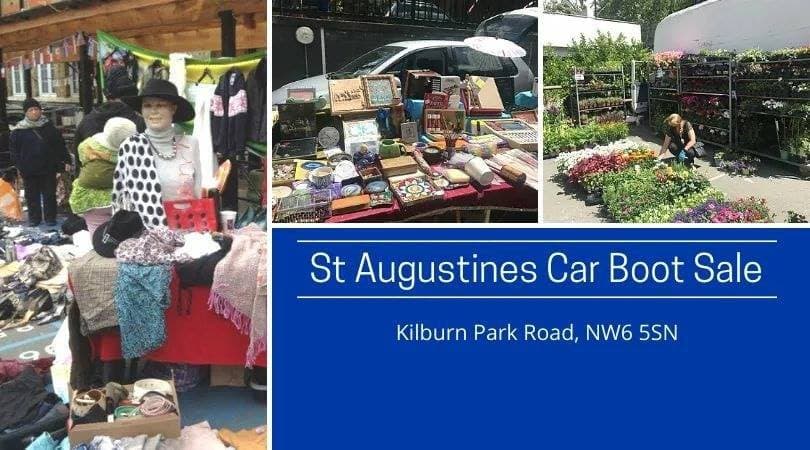
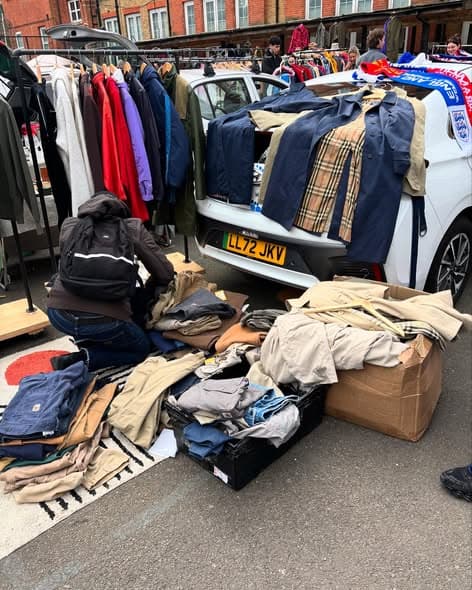
In practice, no. A boot sale is a car boot sale. Both describe the same thing: sellers arrive by car, set up a table with items for sale, and buyers browse. The terms are interchangeable in everyday UK English.
But the naming has different roots:
- Car boot sale — the original term. It comes from the earliest events in the 1970s, where sellers would open the car boot (the British English word for what Americans call a trunk) and sell goods directly from it. The car boot was the stall.
- Boot sale — a shortening of "car boot sale." Some regions dropped the "car" because the context was obvious. In the same way Brits say "boot" for the back of a car and "car boot" for the sale, the term got shortened through daily use.
Neither is more correct. Google processes both the same way — search for "boot sale UK" or "car boot sale UK" and you'll get the same results. LocalBoot handles both terms, so whichever you use, you'll find the same venues.
Regional Differences in the UK
While both terms are used everywhere, some regions prefer one over the other:
South East and London: "Car boot sale" is dominant. You'll hear "boot sale" occasionally, but most organisers market themselves as car boot sales.
Midlands and North West: "Boot sale" is more common. In Greater Manchester and Lancashire, "boot sale" is the default term. "Car boot sale" sounds slightly formal or generic.
Scotland and Wales: Both terms are used, but "car boot sale" appears more in online listings. Local signage and word of mouth skew towards "boot sale."
East of England and South West: "Car boot fair" is a regional variant, especially in smaller village venues. A car boot fair is the same thing — it just sounds more market-like.
The variation matters for search. If you're looking for venues in Manchester, searching "boot sale near me" will return different results than "car boot sale near me." LocalBoot's near-me search indexes venues under both names, so you get the full picture regardless of the term you use.
Common Regional Terms for the Same Thing
| What You Call It | Where It's Common | Same As |
|---|---|---|
| Car boot sale | UK-wide | Boot sale |
| Boot sale | North West, Midlands | Car boot sale |
| Car boot fair | South East, East Anglia | Car boot sale |
| Boot fair | Parts of Midlands | Car boot sale |
| Carboot (one word) | Online searches, younger audience | Car boot sale |
All of these describe the same activity: buying and selling second-hand goods from car-based stalls. The name difference doesn't affect entry fees, seller rules, or what you'll find on the tables.
Why the Distinction Matters for Sellers
If you're selling, the term matters more than if you're buying. Organisers who call their event a "boot sale" rather than a "car boot sale" often attract a slightly different crowd:
- "Boot sale" venues tend to be smaller, more local, and less formal. Sellers are often neighbours clearing out their homes. Entry fees are lower. Rules are looser. You can turn up on the day without booking and usually get a pitch.
- "Car boot sale" venues tend to be larger, more established, and more organised. They're more likely to have websites, Facebook pages, and formal seller booking systems. Some require you to pre-book and pay online.
- "Car boot fair" venues are often the most curated — more market than sale, with higher seller standards and better facilities. These venues often require sellers to apply and may limit what types of goods you can sell.
When you're deciding where to sell, consider what you're selling and how much effort you want to put in:
| Your Situation | Best Venue Type | Why |
|---|---|---|
| Clearing your house, one-off | Boot sale | Turn up, pay on the day, no booking |
| Regular seller, general items | Car boot sale | Better footfall, more buyers |
| Specialist items or antiques | Car boot fair | Better prices, targeted audience |
| Selling in winter | Indoor car boot | Year-round, weather-proof |
That said, these are tendencies, not hard rules. A small village car boot in Kent might call itself a "car boot fair" and a large Manchester venue with 200 sellers might call itself a "boot sale." The name doesn't predict the experience as reliably as venue data does. Check seller counts, facilities, and reviews — not the label. For more on what makes a well-run venue, see our guide to the best car boot sales in your area.
What About "Flea Market" and "Boot Sale"?
Some people use "flea market" and "boot sale" interchangeably. They're different:
- Boot sale / car boot sale: Sellers arrive by car. They set up for the day. They pack up and leave. It's temporary and event-based.
- Flea market: Permanent or semi-permanent stalls. Sellers rent the space weekly or monthly. Stock is more curated, prices are higher. Think Camden Market or Portobello Road, not a Sunday morning field.
Most UK flea markets sell different stock to car boots: antiques, vintage, handmade goods, and specialist collectables. You won't typically find household clearances or "everything must go" sellers at a flea market.
How to Find Boot Sales and Car Boot Sales Near You
Whichever term you use to search, you want the same thing: a venue near you, running today or this weekend, with decent seller numbers and clear information. Here's how:
- Search LocalBoot's UK directory. It indexes venues under both "car boot sale" and "boot sale" — plus regional variants. Filter by location, day, and venue type. Every listing shows seller counts, facilities, and schedule.
- Use both terms in Facebook search. Search for "[your area] boot sale" and "[your area] car boot sale" separately. Some local groups use one term exclusively, and you'll miss them if you only search the other.
- Check roadside signs. Venues that call themselves "boot fairs" rarely have a strong online presence. If you see a sign, save the number or take a photo. Those small venues are often hidden gems.