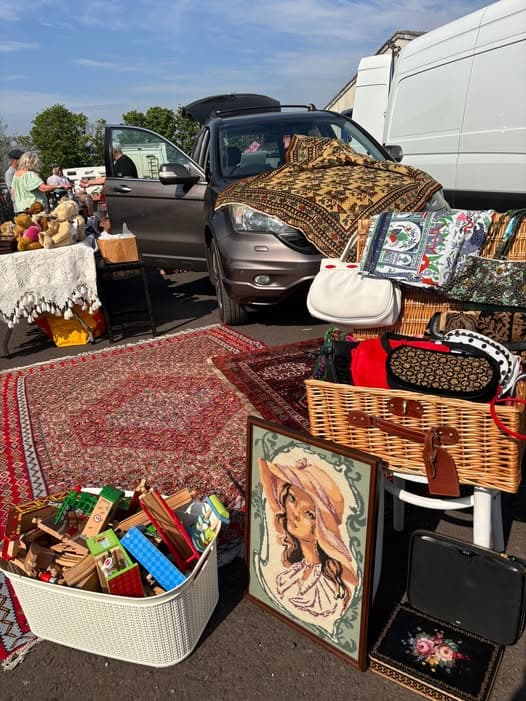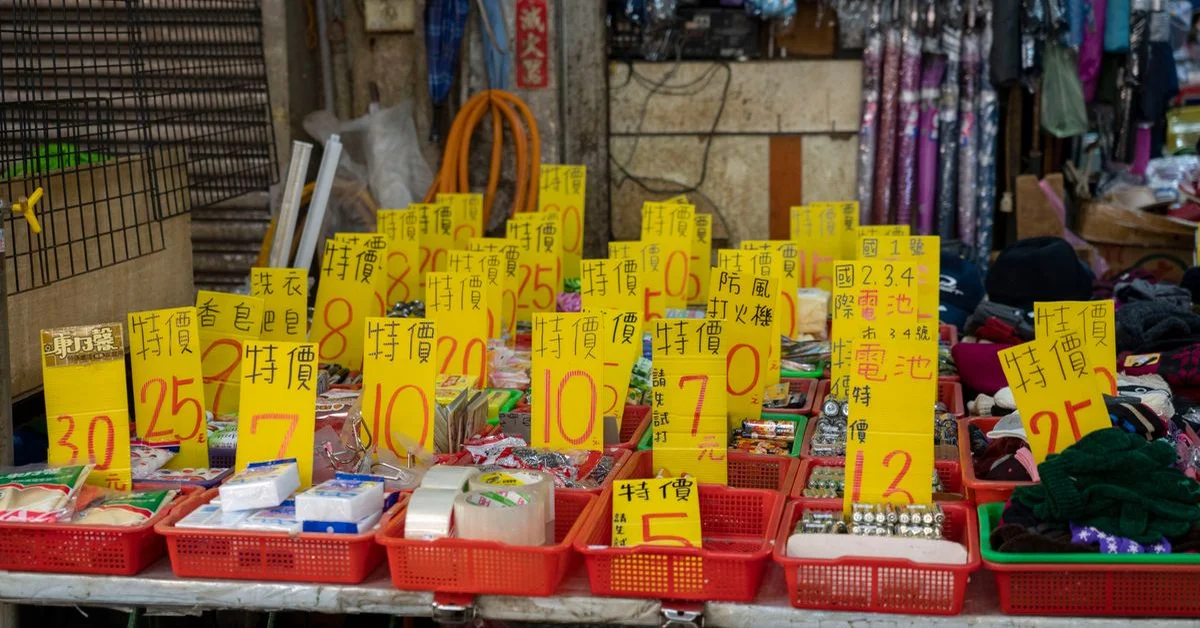
Pricing is the difference between a good selling day and a wasted one. Price too high and you take stock home. Price too low and you leave money on the table. The table below gives you the pricing sweet spots for every common car boot category, based on what actually sells in 2026.
| Category | Typical price | Sweet spot | Strategy |
|---|---|---|---|
| Adult clothes | 50p-£3 | £1-2 | Bundle tops with bottoms |
| Children's clothes | 50p-£2 | 3 for £2 | Bundle by size in bags of 5-10 |
| Books | 50p-£1 | 3 for £1 or 4 for £1 | Arrange by genre to encourage multi-buys |
| Toys | 50p-£3 | £1-2 | Clean and display prominently |
| DVDs/Blu-rays | 50p-£2 | 3 for £2 | Check discs work before pricing |
| Small kitchen items | 50p-£5 | £1-3 | Display on table, not in a box |
| Tools | £1-£10 | £2-5 | Test and demonstrate working condition |
| Furniture | £5-£30 | £10-20 | Bring photos of items assembled |
| Baby equipment | £5-£15 | £5-10 | Highlight safety features and cleanliness |
| Antiques/vintage | Priced individually | N/A | Research before pricing, label with information |
The Three Rules of Car Boot Pricing
Rule one: Price to sell in the first hour. The first two hours of a car boot sale are when buyers have the most energy and the most cash. If an item sits past 10am, it is much less likely to sell. Price items so they appeal to the early crowd — you can negotiate up from a lower asking price, but you cannot get back a buyer who walked past.
Rule two: Round down to whole pounds. £5 sells faster than £4.50. Car boot buyers carry cash and prefer round numbers. Odd prices like £2.50 feel like a shop price. £2 feels like a bargain. Whole pounds also make it easier to handle multiple-item purchases.
Rule three: Bundle for volume. A single item at £1 is fine, but three for £2 clears stock faster and increases your total take. Buyers love the feeling of getting more for their money, and bundling moves items that might otherwise sit. The selling tips guide covers bundling strategies for different stock types.
How to Price Clothes and Textiles
Car boot buyers expect clothes to be cheap. The Primark dress you paid £12 for in 2023 is worth £1-2 at a car boot in 2026. Accept this before you start pricing.
What works:
- Adult tops and trousers: £1-2 each, or bundle 3 for £5
- Designer or high-street branded items: £3-5 — label them clearly
- Children's clothes: bundle by size in bags of 5-10 for £3-5 — parents buy by size
- Coats and jackets: £2-5 depending on brand — more in autumn
- Shoes: £2-5 — clean them before displaying, scuffed at 50p
What does not work:
- Pricing individual baby gros at 50p — put five in a bag for £2
- Pricing a stained t-shirt at £2 — it is a 50p item
- Pricing Primark the same as Next or M&S — brand matters
The best items to sell at car boot sales guide covers which clothing brands move fastest.
How to Price Books, DVDs, and Media
Media items are the most price-sensitive category at car boot sales. A DVD you bought for £15 in 2010 is worth 50p in 2026.
Books: 50p-£1 each. Three or four for £1. Hardbacks £1-2. Organise by genre — cookbooks, thrillers, children's — and buyers pick up more. Specialist books (academic, rare, signed) can be priced higher with clear labels.
DVDs and Blu-rays: 50p-£2. Three for £2 is standard. Box sets £3-5. Check discs work.
Vinyl records: £2-10 depending on artist and condition. Buyers browsing vinyl know what they are looking at.
Video games: £1-5 for older generation (PS3, Xbox 360). £5-15 for newer (PS4, Xbox One, Switch). Test if you can.
The good things to sell at car boot sales guide covers which media categories attract the most buyer interest.
The First-Hour vs End-of-Day Strategy
Your pricing should change as the day goes on. What you hold firm on at 7am you should be flexible on at 11am.
| Time | Pricing approach | Why |
|---|---|---|
| Opening (6-8am) | Full price, firm | Serious buyers, dealers, early birds with cash |
| Mid-morning (8-10am) | Standard prices | Family buyers, casual browsers |
| Late morning (10-11am) | Bundle offers encouraged | Families winding down, impulse buys |
| Lunchtime (11am-12pm) | Discounts on big items | Sellers thinking about packing |
| Final hour (12pm+) | Take anything reasonable | Better than taking stock home |
In the final hour, any offer above 50% of your asking price is worth accepting. Taking £5 for an £8 item that you would otherwise pack up and carry home is a good outcome. The stock you do not sell today is stock you have to store, transport, and price again next time.
The how to haggle at car boot sales guide covers the buyer's side of negotiation — understanding their tactics helps you price better.
Marking Prices Clearly
Price everything before you set up. Unpriced items sit unsold for two reasons: buyers are too shy to ask, and they assume the price is higher than it is.
How to mark prices:
- Small stickers — peel off easily, write price in marker
- Cardboard tags tied with string — suits vintage and craft items
- marker on boxes — for bulk categories like "All books 50p"
- A5 signs for groups — "DVDs 3 for £2", "Children's clothes 3 for £2"
Signage pulls buyers in from a distance. A table without signs makes buyers guess — most walk past. "2 for £1" sells more than "50p each" even though the per-item price is identical.
When and How to Haggle
Car boot buyers expect to haggle. Build a 10-20% buffer into your prices so you can negotiate without losing money.
Price buffer guide:
- Priced at £2 — accept £1.50
- Priced at £5 — accept £3-4
- Priced at £10+ — accept 60-70% on slow items, hold firm on good sellers
- Priced at £20+ — build a £5 buffer, accept within £5 of asking
When to hold firm:
- The first hour — buyers have cash and the day is young
- On rare or unique items — the right buyer will pay your price
- When you have already sold well and the item stores easily
When to accept any offer:
- The final hour — better £2 in your pocket than the item in your boot
- Bulky items — furniture, large toys, anything awkward to pack
- Bad weather — rain is coming and you want to pack up fast
The golden rule: never say no to a reasonable offer in the final hour. The indoor car boot sale guide covers how pricing differs at covered venues.
Seasonal Pricing Adjustments
What sells and for how much varies by season.
| Season | What sells best | Pricing adjustment |
|---|---|---|
| Spring (Mar-May) | Garden tools, outdoor toys, DIY | Price at upper end — spring buyers are keen |
| Summer (Jun-Aug) | Summer clothes, camping gear, toys | Standard pricing — peak season, most footfall |
| Autumn (Sep-Oct) | Coats, school uniforms, indoor items | Price winter items higher — buyers preparing |
| Winter (Nov-Feb) | Indoor items, Christmas gifts | Bundle aggressively — fewer buyers, move stock fast |
May to August is peak season — more footfall means you can hold firmer on prices. November to February is the slowest — bundle aggressively and accept lower offers. The winter car boot sales guide covers off-season pricing in detail.
Pricing by Venue Type
Different venues attract different buyers. Adjust accordingly.
| Venue type | Typical buyer | Pricing approach |
|---|---|---|
| Large outdoor Sunday sale | Families, casual browsers | Competitive — lots of comparison shopping |
| Small community/village sale | Locals, regulars | Moderate — loyal buyers pay fair prices |
| Indoor covered sale | Serious buyers, dealers | Firm on quality, flexible on general stock |
| Charity/school boot sale | Families, bargain hunters | Low — price to clear |
At large Sunday sales, you compete with 200 other sellers. At smaller community sales, you have more pricing power. The Sunday car boot sales guide covers venue demographics in detail.
Mistakes to Avoid
Overpricing sentimental items. What you paid for something does not matter to a buyer. What it is worth today is what someone will pay. Separate your emotions from your pricing.
Pricing everything the same. A designer coat is worth more than a Primark jumper. Price items by their real value, not by a flat system.
Refusing reasonable offers in the final hour. Taking 50% of your asking price at 12pm is better than taking 100% of it home. The effort of packing, storing, and bringing it next week costs you more than the discount.
Not cleaning items before pricing. A washed t-shirt at £2 sells. The same t-shirt with a stain at 50p sits. Ten minutes of cleaning before you leave can double your take.
Leaving items unpriced. Buyers who have to ask "how much?" often walk away before you answer. Price everything. The selling at car boot sales guide covers table layout and signage. For venue-specific selling strategies, the car boot rules UK guide covers what different venue types expect from sellers.
Frequently Asked Questions
How do I price items I know nothing about?
Group similar items together and price the group. Kitchen gadgets, ornaments, mystery boxes — all at 50p-£1. Anything worth more will be spotted by a dealer who will pay the real price.
Should I adjust prices based on the venue?
Yes. Affluent areas support £1-2 extra on quality items. Working-class areas need competitive pricing. Large venues with many sellers mean you compete on price; small community sales give you more room.
How do I know if my prices are too high?
If you take more than half your stock home, prices are too high. If everything sells in the first hour, prices are too low. Aim to sell 60-70% per sale.
How do bundle deals increase my total take?
A buyer spending £1 on three 50p books gives you £3 — more than they might have spent individually. Bundles move more items and often increase total spend.
Final Thoughts
A good car boot sale pricing strategy is simple: price low enough to sell, high enough to feel good about it. Round to whole pounds, bundle similar items, and drop prices in the final hour. Sign everything clearly and build negotiation room into your prices. The sellers who leave with empty tables and full pockets are the ones who price to sell, not to store.
Find car boot sales near you on LocalBoot — search by area, day, and venue rating to pick the best pitches for your pricing strategy.