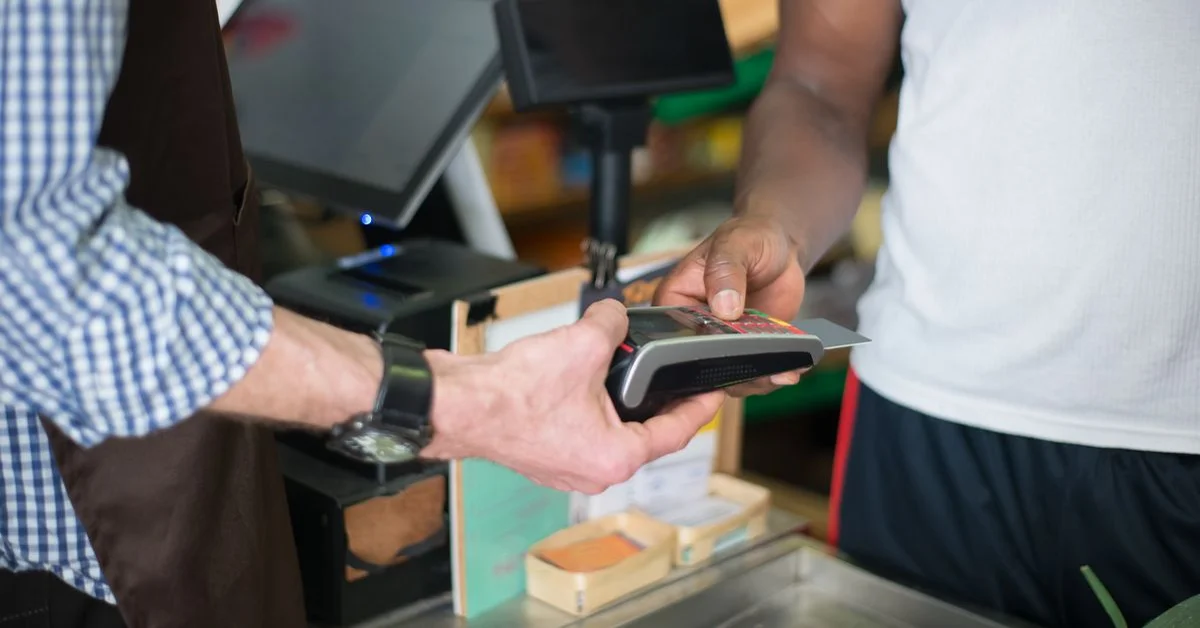
Cash is no longer the only way to pay at a UK car boot sale. More buyers expect to tap a card or phone, and sellers who only take cash leave money on the table. This guide covers everything you need to accept card payments at a boot fair — which reader to buy, what it costs per transaction, and how to make it work on a field with patchy signal.
| card reader | Device cost | Transaction fee | Settlement speed | Offline mode | Best for |
|---|---|---|---|---|---|
| sumup Air | £29 | 1.69% | 2-3 days | Yes (up to £300) | First-time sellers, low volume |
| sumup Solo | £79 | 1.69% | 2-3 days | Yes (up to £300) | Regular sellers, built-in receipt printer |
| zettle Reader 2 | £29 | 1.75% | 2-3 days | Yes | PayPal users, higher volume |
| Revolut Reader | £49 | 1.0% + 2p | Same day (Revolut) | No | Revolut account holders |
| Square Reader | £19 | 1.75% | Next day | Yes (up to £250) | Smallest device, best app |
| Tide Reader | £49 | 1.5% | Next day | No | Tide bank account holders |
Why You Need to Accept Cards at a Car Boot Sale
The numbers make the case. Roughly 40% of UK retail transactions are now contactless. At a car boot sale, the proportion is lower — maybe 15-25% — but those are sales you would otherwise lose. A buyer who sees a £20 item and only has a tenner in cash cannot buy from you if you are cash-only. Hand them a card reader and the sale closes.
Card payments also increase average transaction value. Buyers spend more on card than cash. A £5 cash buyer becomes a £7-10 card buyer because the friction of counting notes disappears. Over a morning of trading, that difference adds up.
Regular sellers report that adding a card reader increases total takings by 20-30%. The card reader comparison guide breaks down the numbers across different seller types.
sumup Air: The Default Choice for Car Boot Sellers
sumup Air is the most common card reader on UK car boot pitches, and for good reason. The device costs £29, charges 1.69% per transaction, and pairs with your phone over Bluetooth. The app is simple — type the amount, tap the card, done.
sumup's offline mode is its strongest feature for car boot sellers. If your phone loses signal at a rural field sale, the reader stores up to £300 in offline transactions and processes them when you reconnect. No other reader at this price offers reliable offline payments.
The downside: settlement takes two to three working days. If you need the money from Sunday's sales in your account on Monday, sumup is slower than Revolut or Tide. For most sellers, this is not a dealbreaker — but if cashflow timing matters, factor it in.
sumup Solo at £79 adds a built-in receipt printer and touchscreen, which means you do not need your phone at all. This is useful at busy sales where you want to put your phone away and focus on selling.
zettle Reader 2: Best for PayPal Users
Zettle (formerly iZettle) is PayPal's card reader, and it works well for sellers who already use PayPal for online sales. The Reader 2 costs £29 with 1.75% per transaction — slightly more than sumup — but the PayPal integration is seamless. Money from car boot sales lands in your PayPal account alongside eBay or Vinted earnings.
Zettle's app is more polished than sumup's. Inventory tracking, sales reports, and the ability to add product photos make it useful for sellers who want to track what sells across multiple boot sales. The offline mode works reliably up to a point — but unlike sumup, there is no stated offline limit, and performance depends on your phone's local storage.
The £29 entry price matches sumup, so the choice between them comes down to ecosystem. If PayPal is part of your selling life, Zettle fits naturally. If you want the widest offline capability at the lowest fee, sumup edges ahead.
Our wireless card reader guide covers the connectivity differences between readers in more detail.
Revolut Reader: Lowest Fees, Same-Day Settlement
Revolut Reader charges 1.0% plus 2p per transaction — the lowest headline rate on the market. On £500 of monthly card takings, Revolut saves roughly £3.43 compared to sumup and £3.73 compared to Zettle. That is modest at low volume but becomes meaningful for sellers taking £1,000+ per month on card.
Same-day settlement is Revolut Reader's real advantage. Money from a Sunday sale appears in your Revolut account within minutes, not days. For sellers using Revolut Business as their main account, this means card takings are available immediately for pitch fees, stock buying, and fuel.
The catch: no offline mode. Revolut Reader requires a live mobile data connection for every transaction. At a rural car boot sale with poor signal, this is a genuine problem. Sellers who trade at field-based venues with patchy reception should carry a backup reader or have cash as a fallback. The device costs £49 — more than sumup or Zettle — but the lower transaction fees recover the difference within a few months of regular use.
Revolut Reader only works with a Revolut Business account, so it is not a standalone purchase. The business bank account comparison covers whether Revolut is the right banking choice for your setup.
Square Reader: Smallest, Cheapest, Best App
Square Reader is the smallest device on the market — a tiny white square that plugs into your phone or connects wirelessly. At £19, it is the cheapest entry point. The Square app is widely considered the best in the category: clean, fast, and full of features that other readers bury in settings.
The transaction fee of 1.75% matches Zettle. Settlement is next-day, which is faster than sumup's two-to-three-day window. Offline mode works up to £250 in stored transactions.
Square's limitation for car boot sellers is its ecosystem focus. Square is built for cafés, market stalls, and retail shops — businesses with fixed locations and stable internet. The offline mode is reliable but the £250 cap is lower than sumup's £300. For most car boot sellers, the cap is irrelevant — £250 in offline card sales is a strong morning — but it is worth knowing.
Tide Reader: Integrated Banking and Card Payments
Tide Reader is tied to a Tide business bank account and charges 1.5% per transaction — between sumup at 1.69% and Revolut at 1.0%. The device costs £49 and settles next day.
The advantage is integration. Card payments, bank balance, invoicing, and accounting software (FreeAgent) live in one app. For sellers who choose Tide as their business account, the Tide Reader removes the need for a separate card payment provider and a separate settlement flow. The Starling vs Revolut comparison covers how different banking choices affect your card payment setup.
The disadvantage is the same as Revolut: no offline mode. A live data connection is required for every transaction. The business banking comparison guide covers the full Tide vs Revolut decision for car boot sellers.
What You Need Beyond the card reader
A card reader alone is not the full setup. You need a smartphone with Bluetooth and a data connection, and ideally a portable power bank — card readers and phones drain battery faster on cold mornings. A £10 power bank from Amazon solves this.
A data signal is the single biggest issue at car boot sales. Venues in valleys, near hills, or in rural areas with patchy 4G cause failed transactions. Three practical fixes: choose a reader with offline mode (sumup, Zettle, Square), check the signal at the venue before you commit, and tether from a phone on a different network if one provider drops.
Merchant accounts are not required for any of these readers. sumup, Zettle, Square, Revolut, and Tide all include the merchant facility in the transaction fee. You do not need a separate agreement with a bank or payment processor.
Pricing stickers help card buyers. A visible price removes the impulse to ask and gives buyers confidence to tap. The car boot equipment checklist covers the full kit for a professional pitch setup.
What Card Payments Mean for Your Tax Record
Card payments create a digital record of your takings, which simplifies tax reporting. Cash sales rely on your own record-keeping, but card transactions appear in your reader's app and your bank statements automatically.
If your total trading income — cash and card combined — exceeds £1,000 per tax year, you need to register as self-employed and report the income to HMRC. The trading allowance guide explains the threshold and what counts as trading income.
Card payment records are your evidence if HMRC ever asks questions. Download monthly statements from your reader's app and keep them with your tax records. The car boot tax guide covers record-keeping for sellers who mix cash and card.
Frequently Asked Questions
Can I take card payments at a car boot sale without internet?
Yes, if your reader supports offline mode. sumup Air and Solo store up to £300 in offline transactions. Zettle Reader 2 and Square Reader also support offline payments with limits. Revolut Reader and Tide Reader require a live connection and do not work offline.
What is the cheapest card reader for a car boot sale?
Square Reader at £19 is the cheapest device. For ongoing costs, Revolut Reader at 1.0% + 2p has the lowest transaction fee but requires a Revolut Business account. SumUp Air at £29 with 1.69% is the best balance of low device cost and low running cost without a bank account tie-in.
Do I need a business bank account to take card payments at a car boot?
No. SumUp, Zettle, and Square work with any UK current account — personal or business. Revolut Reader requires a Revolut Business account, and Tide Reader requires a Tide business account. For most new sellers, a personal current account paired with SumUp or Zettle is the simplest starting point.
How long does it take for card payment money to reach my account?
SumUp and Zettle: two to three working days. Square: next business day. Tide: next day. Revolut: same day (instant to your Revolut account). If fast settlement matters, Revolut wins. If not, the difference between two and three days is marginal.
Can buyers pay with Apple Pay and Google Pay at a car boot sale?
Yes. All the readers listed — SumUp, Zettle, Revolut Reader, Square, and Tide Reader — accept contactless payments including Apple Pay, Google Pay, and contactless cards. The buyer experience is identical to tapping in a shop.
What happens if a card transaction fails at a car boot sale?
The reader displays an error and no payment is taken. Common causes: poor signal, insufficient funds, or a blocked card. Ask the buyer to try a different card or pay cash. If signal is the issue and your reader has offline mode, move to a spot with better reception and retry. Keep a small cash float as backup — card readers are reliable but not infallible.
Final Thoughts
SumUp Air at £29 is the right first card reader for most car boot sellers. It is cheap, handles offline payments, and works with any bank account. Pair it with a power bank, check the signal at your venue, and price your stock clearly. The 1.69% fee is a small price to pay for the 20-30% uplift in total takings that a card reader typically delivers.
Find car boot sales near you on LocalBoot — search by area, day, and pitch availability, and arrive ready to take every payment method your buyers want to use.


