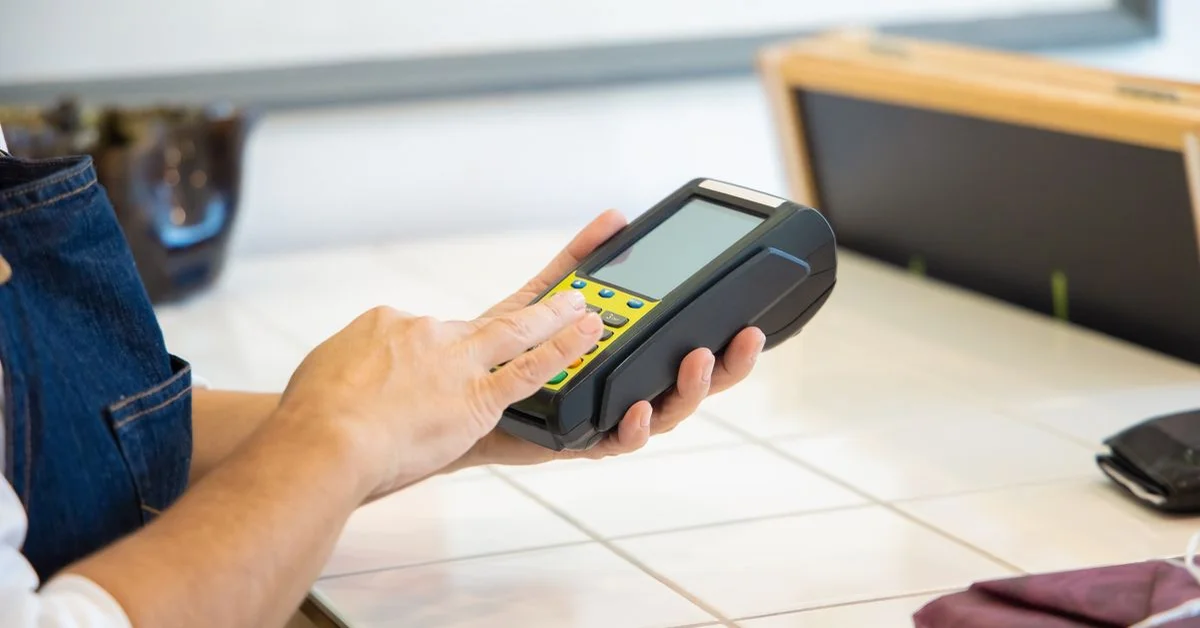
Taking card payments at a car boot sale used to mean a landline, a contract, and a monthly minimum. That has changed. The table below shows how a wireless card reader stacks up against the alternatives for 2026.
| Reader type | Contract | Monthly fee | Upfront cost | Transaction fee | Offline mode | Best for |
|---|---|---|---|---|---|---|
| Wireless Bluetooth (sumup, Zettle) | None | £0 | £19-29 | 1.49-1.75% | Yes (stores 200+ txns) | Most boot sellers |
| Phone-only NFC (Tap to Pay) | None | £0 | £0 | 1.49-1.75% | No | Occasional sellers, backup |
| Fixed terminal | 12-36 months | £10-30 | £0-150 | 0.5-1.0% | Built-in | High-volume permanent pitches |
This guide covers everything about wireless card readers for car boot sellers: how Bluetooth readers work, no-contract options, battery life, signal handling in rural venues, and setup tips.
What Is a Wireless card reader?
A wireless card reader is a small, battery-powered device that connects to your smartphone via Bluetooth. Download the provider's app, pair the reader, and take contactless, chip-and-PIN, or Apple Pay / Google Pay payments. The reader processes through your phone's mobile data.
Crucially, true wireless readers store transactions internally and sync later if signal drops — unlike phone-only NFC payments (Tap to Pay), which fail without signal.
| Feature | Wireless Bluetooth Reader | Fixed Terminal |
|---|---|---|
| Connection | Bluetooth to phone | Built-in 3G/4G or WiFi |
| Contract | None | 12-36 months |
| Monthly fee | £0 | £10-30 |
| Transaction fee | 1.49-1.75% | 0.5-1.0% (+ monthly min) |
| Upfront cost | £19-29 one-off | £0-150 (subsidised) |
| Setup time | 5 minutes | 1-7 days |
| Portability | Pocket-sized | Requires power |
For car boot sellers, the wireless reader wins on every practical measure. See the best card reader comparison for a product breakdown.
Why Bluetooth Suits Car Boot Sales
Car boot sales are temporary, outdoor, and varied. A wireless reader handles all these conditions.
No power dependency. The rechargeable battery lasts 8-12 hours — a full selling day. Charge it overnight. No extension lead needed on your pitch.
No contract lock-in. Trading 2-4 weekends a month? You cannot justify a £15-30 monthly terminal fee. A no-contract reader costs nothing between sales. You only pay when you sell.
Offline mode. Many boot venues sit in fields with poor signal. sumup and Zettle store up to 200 transactions locally and process them automatically when connectivity returns. Phone-only payments fail in the same situation. The beginners guide to selling at car boot sales covers your first pitch setup.
No-Contract Options: Pay As You Go
The pricing model is the biggest advantage:
- No monthly fee — pay nothing between sales
- No minimum volume — one transaction or a hundred, same rate
- No cancellation penalty — stop anytime, the hardware is yours
- No credit check — sign up with email, phone, and bank details
The trade-off: higher per-transaction fees versus contract terminals. Here is how it works out:
| Monthly card sales | No-contract (1.69%) | Contract (0.8% + £20/mo) | Winner |
|---|---|---|---|
| £200 | £3.38 | £21.60 | No-contract saves £18 |
| £500 | £8.45 | £24.00 | No-contract saves £16 |
| £1,000 | £16.90 | £28.00 | No-contract saves £11 |
| £2,500 | £42.25 | £40.00 | Contract saves £2 |
| £5,000 | £84.50 | £60.00 | Contract saves £25 |
Most boot sellers never reach the £2,500 monthly card volume where a contract becomes cheaper. The flexibility of no commitment is worth the small difference even at higher volumes. For how to get the best deal on your reader hardware, see the best UK online stores for car boot equipment.
Wireless vs Phone-Only Payments
Phone-only NFC (Tap to Pay) sounds ideal — no hardware to buy. In practice, a dedicated reader wins:
Battery. Processing payments all day drains your phone. A reader has its own battery. Sellers using phone-only payments report phones dying by 1-2pm.
Offline. Readers store transactions when signal drops. Phone-only fails. Most field-based venues have patchy coverage.
Speed and confidence. Buyers expect to tap a reader. Handing over your phone feels awkward and slows the queue. The selling tips guide covers how payment speed affects takings.
Battery Life and Signal Handling
Battery: Most readers advertise 8-12 hours. Processing 30-50 transactions uses 40-60% of battery. Charge overnight via USB-C before each sale.
Bluetooth range: Keep your phone within 2-3 metres. Metal tables and stock boxes can reduce range.
What happens when signal drops:
| Reader | Offline capability | Impact |
|---|---|---|
| sumup, Zettle | Stores 200+ transactions | No interruption — keeps selling |
| Square | Manual card entry only | Slower, 2.5% fee, buyers wary |
| Dojo | No offline mode | Transaction fails — lose the sale |
Choose sumup or Zettle for field-based venues. See the best items to sell guide for stock that pairs well with card payments.
Setting Up for Your First Sale
Setup takes under 10 minutes:
- Download the app — sumup, Zettle, or Square
- Create an account — email, phone, bank details for settlement
- Pair the reader — Bluetooth pairing via the app
- Set preferences — default amount, receipts, tax settings
- Test — process a 1p payment on your own card, refund immediately
- Charge fully — overnight before sale day
Test at home, then arrive early to test signal at the venue before the public enters. See how to take card payments at a car boot sale for the full setup guide.
Frequently Asked Questions
Do I need mobile signal?
Yes, but sumup and Zettle store transactions offline and process when signal returns. You can sell with zero signal as long as the reader has battery.
Can I use a wireless reader without a contract?
Yes. sumup, Zettle, and Square all offer no-contract accounts. Buy the reader once (£19-29), pay only per-transaction fees. No cancellation penalty.
How long does the battery last?
8-12 hours on a full charge. A typical 5-6 hour boot sale will not drain it. Charge overnight before each sale.
Which reader works best in poor signal areas?
sumup Air and Zettle by PayPal — both store 200+ transactions offline. Square has limited offline mode. Dojo has none. For field venues, pick sumup or Zettle.
What is the cheapest for occasional sellers?
sumup Air at £19-29 with 1.69% per transaction. No monthly fee. Square sometimes offers free hardware promotions.
Can I use it indoors?
Yes. Indoor venues often have better signal than fields. Some provide free WiFi for sellers as an alternative data connection.
A wireless card reader is the best payment solution for car boot sellers — no monthly cost, no contract, no minimum volume, and it works anywhere. The £19-29 upfront cost pays for itself within one or two sale days.
Pick SumUp Air or Zettle for field-based venues. Pick Dojo Pocket for the lowest transaction fee if your venues have reliable signal. Avoid phone-only payments for anything over three hours — your phone battery will not last.
Charge overnight, test at the venue, and you are ready to take contactless from every buyer.
Find car boot sales near you on LocalBoot — search by postcode to discover venues where taking card payments puts you ahead.
Search LocalBoot for car boot sales near you and start taking card payments from your very first pitch.


